How a Toilet Base Leak Can Fuel Bathroom Mold Problems
@dryhousenotes
November 13, 2026 · 7 min read
Yes, a toilet base leak is a common hidden cause of bathroom mold. Water seeping from the base of a toilet saturates flooring, subflooring, and baseboards, creating the damp environment mold needs to grow. Many homeowners clean visible mold on tile grout or caulk but overlook the chronic moisture source right under the toilet. Fixing that leak is a critical first step before any tile mold remediation can succeed.
Why Toilet Base Leaks Are Easy to Miss
A toilet base leak is not dramatic. It often presents as a slow, steady seep that only appears when someone flushes or when the toilet rocks slightly. The water may spread under vinyl or tile flooring before any discoloration shows on the surface. By the time you notice a soft spot near the base or a persistent musty smell, mold has likely colonized the hidden area.
Several things cause these leaks. The wax ring or foam gasket between the toilet and the floor flange can degrade over time. An improperly seated toilet or loose closet bolts allow movement that breaks the seal. Cracks in the porcelain base itself are rare but possible. Even a small gap lets water wick into the subfloor every time the toilet is used.
Because the leak is at floor level, it does not trigger the same alarm as a dripping pipe overhead. You might see a faint water stain on the tile or notice the caulk pulling away from the base. But many people assume those are just signs of normal wear or condensation. The real problem stays hidden until mold becomes visible along the baseboards or behind the toilet.
How the Leak Creates Conditions for Mold
Mold needs three things: moisture, a food source, and the right temperature. A toilet base leak supplies the moisture constantly. The food source is everywhere in a bathroom: dust, soap scum, skin cells trapped in grout, and the organic material in the subfloor and baseboards. Bathrooms are already warm from showers and baths, so the temperature is rarely an issue.
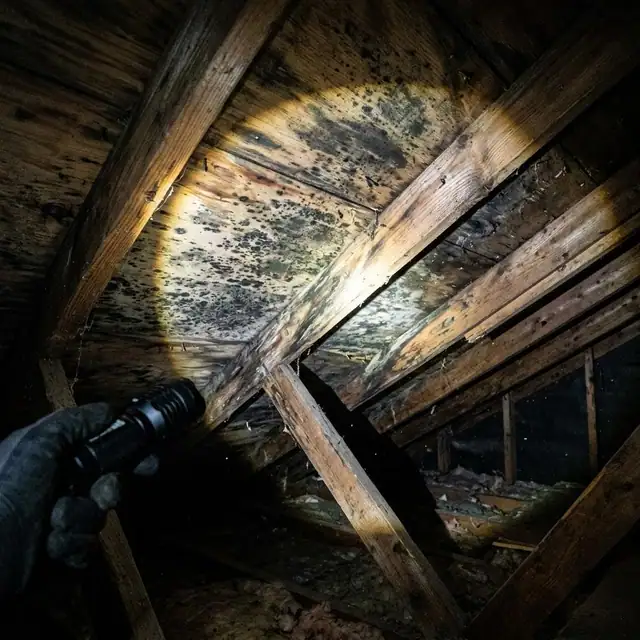
When water seeps under the toilet, it soaks into the plywood or OSB subfloor. Those materials are porous and hold moisture for a long time. Even after the leak stops, the subfloor can stay damp for days. Mold spores that are always present in the air land on that damp surface and begin to grow. Within a few cycles of wetting and drying, you may have a colony that spreads up the wall behind the toilet or out across the floor under the tile.
Tile itself is not mold food. But the grout between tiles is porous and can absorb moisture. Once mold establishes in the subfloor, it can travel through the grout and appear on the surface as dark spots or discoloration. This is why tile mold remediation often fails if the underlying moisture source is not addressed. Cleaning the grout only removes surface growth. The mold will return as long as the subfloor stays damp.
Signs That a Toilet Base Leak Is the Real Problem
Before you jump into tile mold remediation, check for these indicators that a toilet leak is the root cause:
- Dark mold or mildew concentrated around the toilet base, especially on the floor and lower baseboard
- A spongy or soft feel to the flooring near the toilet when you step on it
- Loose or cracked caulk between the toilet base and the floor
- Water stains on the ceiling of the room below the bathroom (if the bathroom is on an upper floor)
- A persistent musty smell that returns even after cleaning the tile and grout
If you spot any of these, the leak should be addressed before any other mold work. Ignoring it means the moisture will continue feeding mold growth no matter how thoroughly you clean the visible areas.
How Tile Mold Remediation Fits In
Tile mold remediation is the process of removing mold growth from tile surfaces, grout lines, and the surrounding area, and then treating the area to prevent regrowth. It typically involves cleaning with appropriate agents, sometimes light sanding or scraping of grout, and then sealing the grout. But remediation is only truly effective when the moisture problem is solved first.
In a situation where a toilet base leak has been active, the remediation process may need to go deeper than surface cleaning. The affected subfloor and baseboard may require removal and replacement. The tile itself might need to be lifted if the subfloor beneath it shows signs of rot or heavy mold colonization. In less severe cases, the area can be dried out thoroughly, then the mold on the tile and grout can be remediated and the grout sealed to resist future moisture.
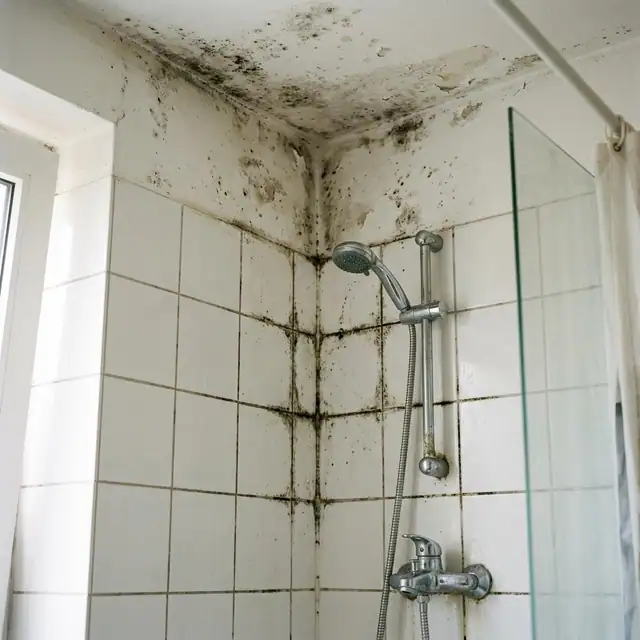
Mold Removal Boston Pros has experience with exactly this kind of bathroom mold situation. They assess the bathroom as a whole, looking for hidden moisture sources like toilet leaks, before recommending a course of tile mold remediation. This approach ensures that the mold does not simply return after the visible growth is cleaned. Addressing the leak and the damage it caused is part of a complete solution.
For homeowners, the process looks like this: First, fix the toilet leak. That may mean replacing the wax ring, tightening the toilet bolts, or having a plumber reseat the toilet. Then allow the affected area to dry completely. This can take several days, especially if the subfloor is saturated. Once the area is dry, proceed with mold remediation on the tile and grout, and replace any damaged baseboard or flooring. Finally, apply a good quality grout sealer to make the surface less absorbent going forward.
What to Watch Out For
A toilet base leak is not the only possible cause of bathroom mold. Poor ventilation, high humidity, leaky shower fixtures, and condensation on pipes can all contribute. But it is one of the most insidious because it is so easy to overlook. The toilet is used many times a day, and a slow leak can deposit a surprising amount of water over weeks and months.
Another thing to keep in mind: simply caulking around the toilet base is not a fix. Caulk can stop surface water from entering the gap, but if the leak is coming from inside the toilet seal, the water will still get out under the toilet and soak the subfloor. The caulk just hides the problem. The correct repair is to address the seal between the toilet and the flange.
If the subfloor has been wet for a long time, it may have developed rot. In that case, the subfloor needs to be cut out and replaced before new tile or flooring goes down. This is not a job for a quick DIY patch. Mold Removal Boston Pros can evaluate whether the subfloor is sound or needs replacement as part of the tile mold remediation project.
Preventing Future Leaks and Mold
Once the leak is fixed and the mold is remediated, you can take steps to keep the problem from recurring. Check the toilet base periodically for any signs of moisture. Wipe the area dry after cleaning the bathroom so water does not sit at the base. Ensure the bathroom has adequate ventilation, either from an exhaust fan or by opening a window after showers. Keep the humidity level in the bathroom below 60 percent if possible.
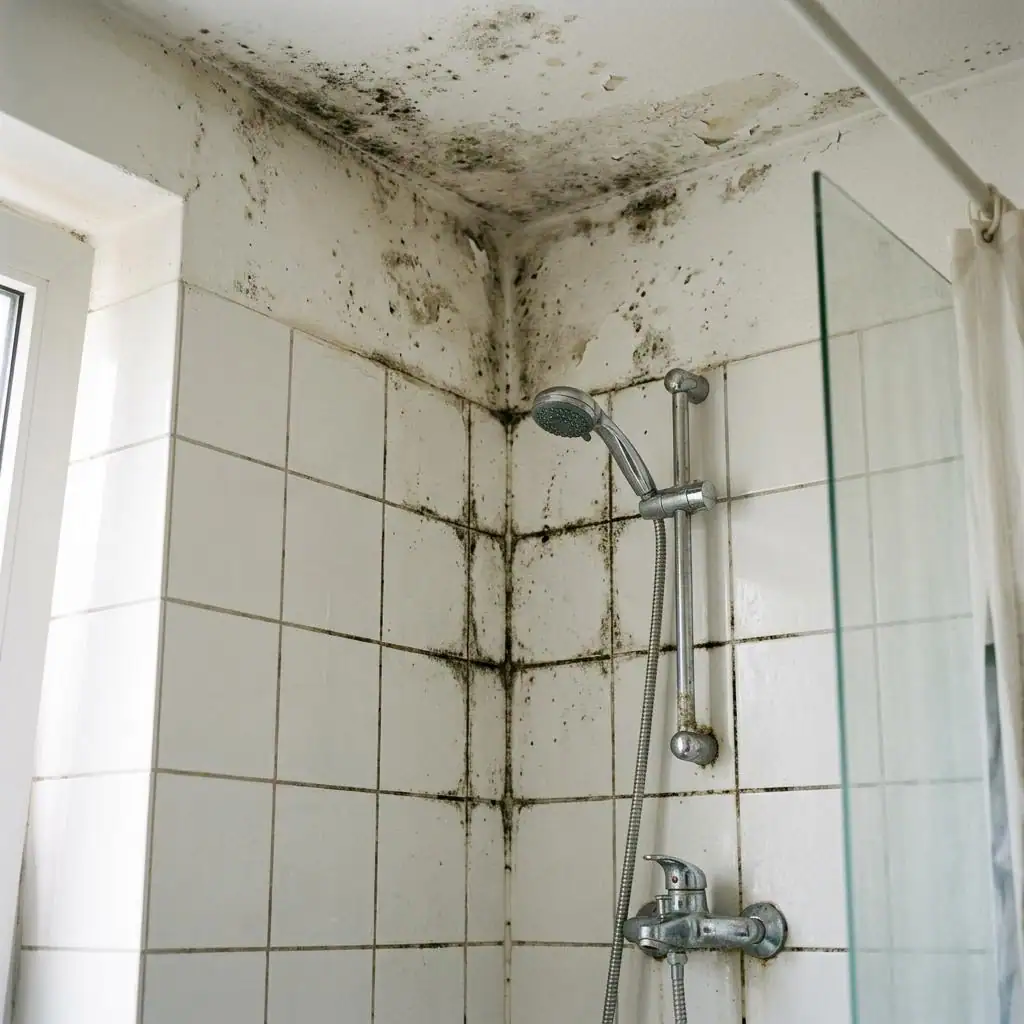
If you install new tile or regrout existing tile, use a high-quality grout and seal it properly. Sealed grout is much less likely to absorb moisture and support mold growth. Also, inspect the caulk around the toilet base and the tub or shower every few months. Replace it if it cracks or pulls away.
Mold in a bathroom can be stubborn, but when you find and fix the hidden moisture source, the tile mold remediation has a much better chance of lasting. A toilet base leak may be small, but its effect on indoor air quality and the condition of your bathroom can be large. Addressing it directly is the right move.